Green Desert
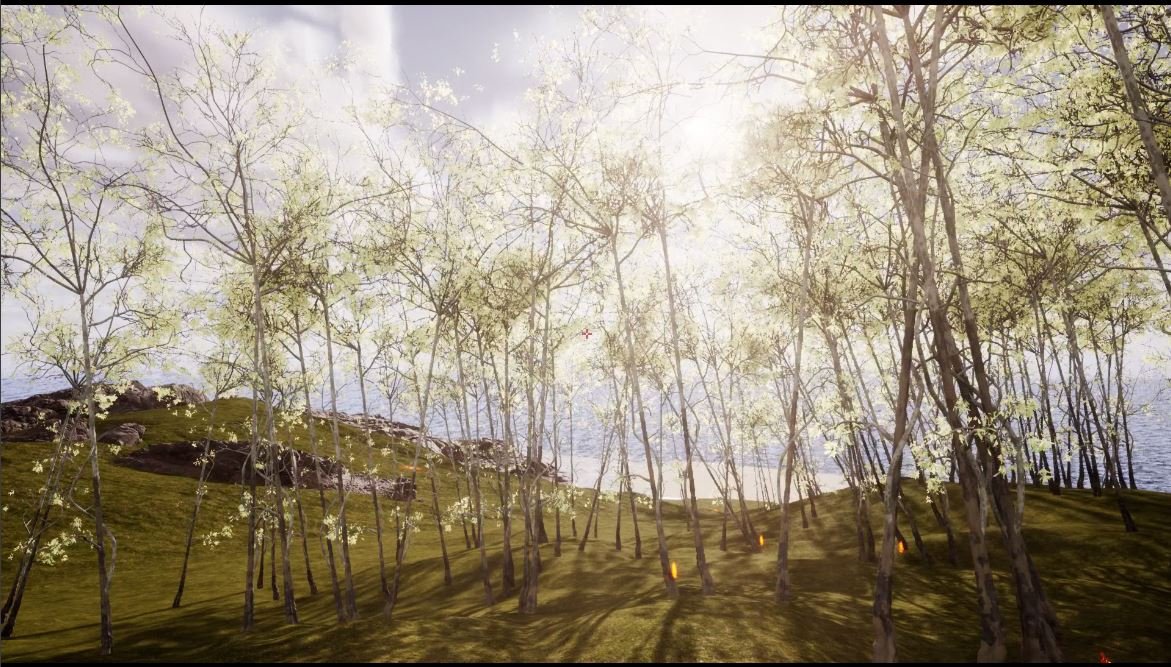
This project proposes an interactive 3D Environment as a response to the eucalyptisation of native forests, a process promoted by the dictatorship's state forestry and industrial policy and enforced by the regime's army.
Institution
Royal College of Art, London, UK
Year
2021
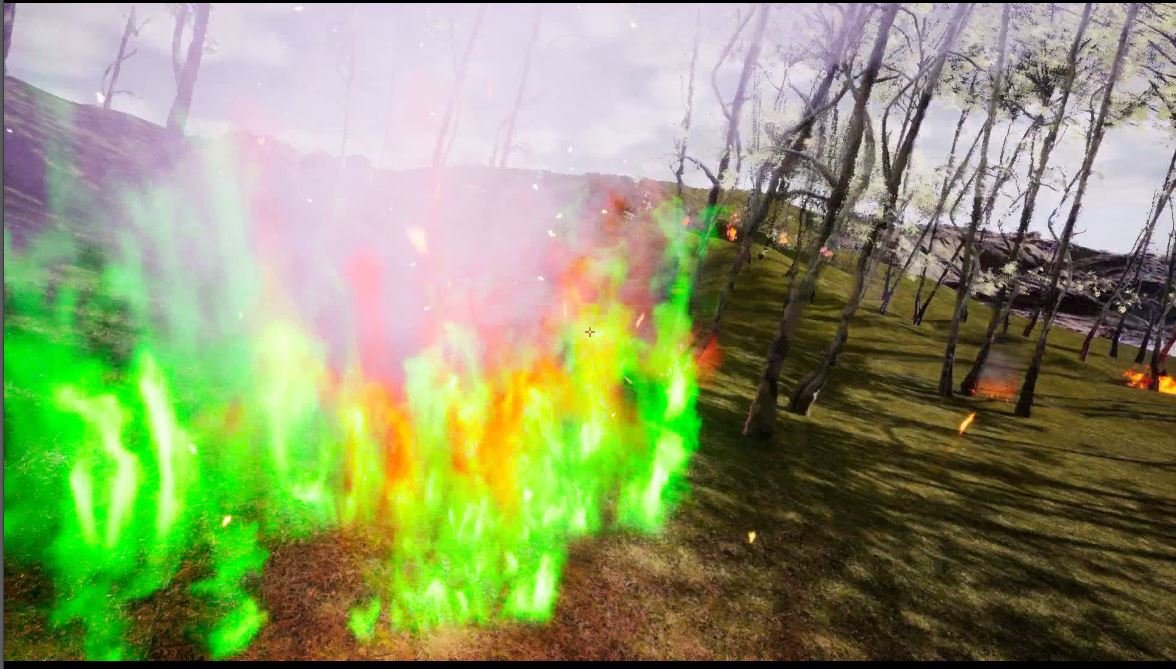
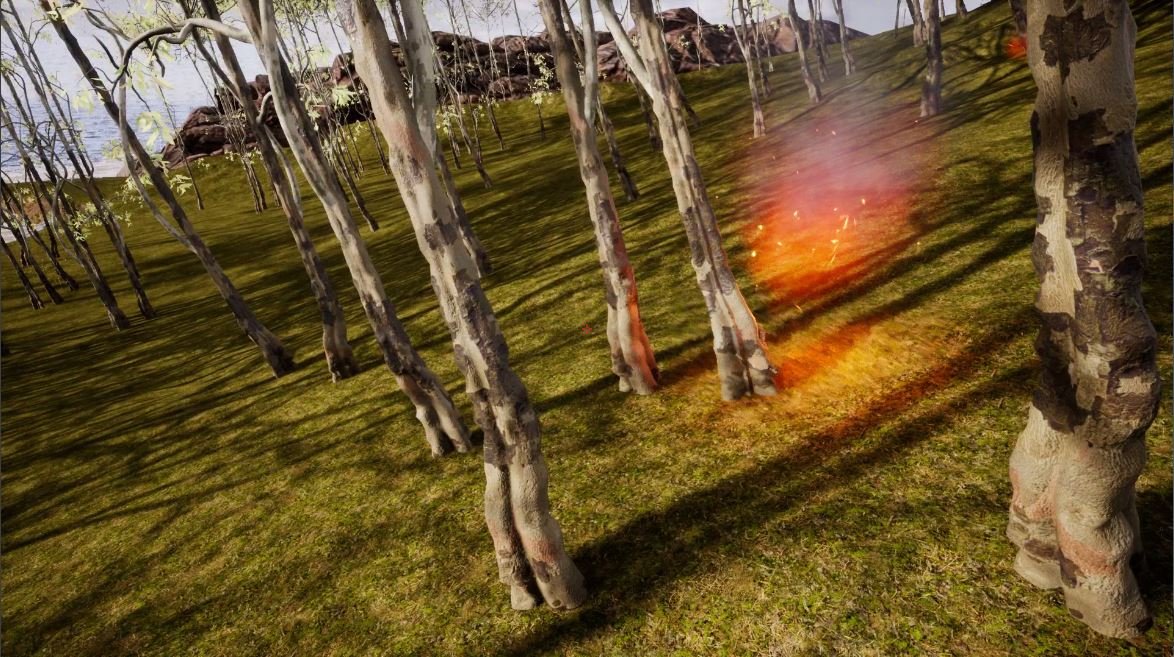
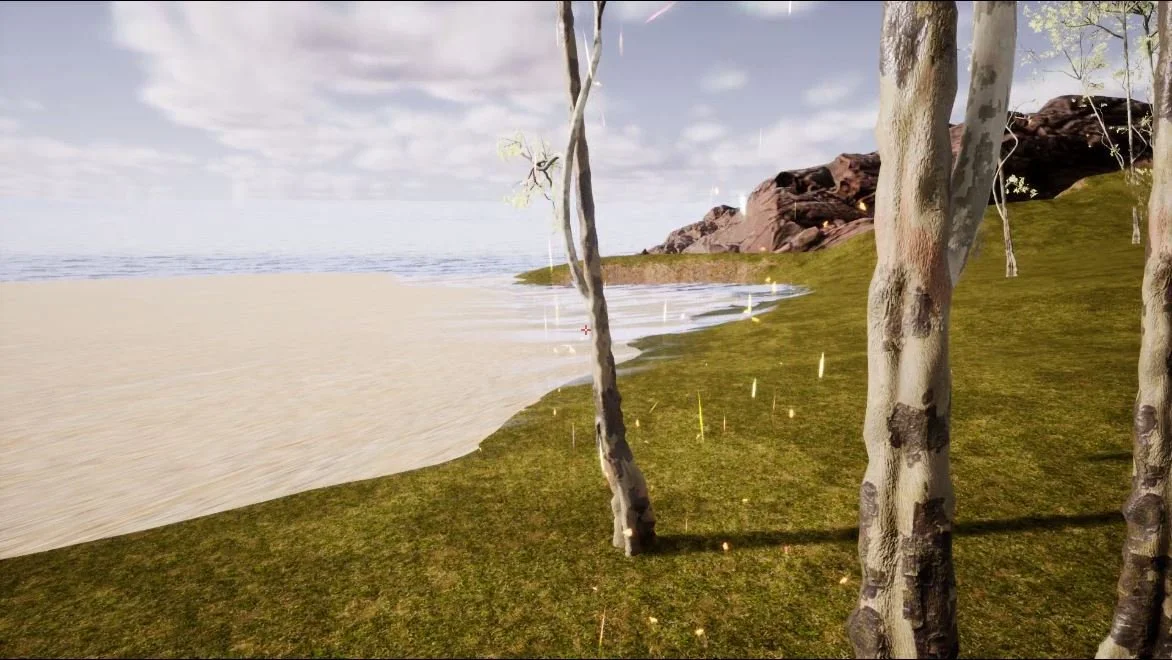
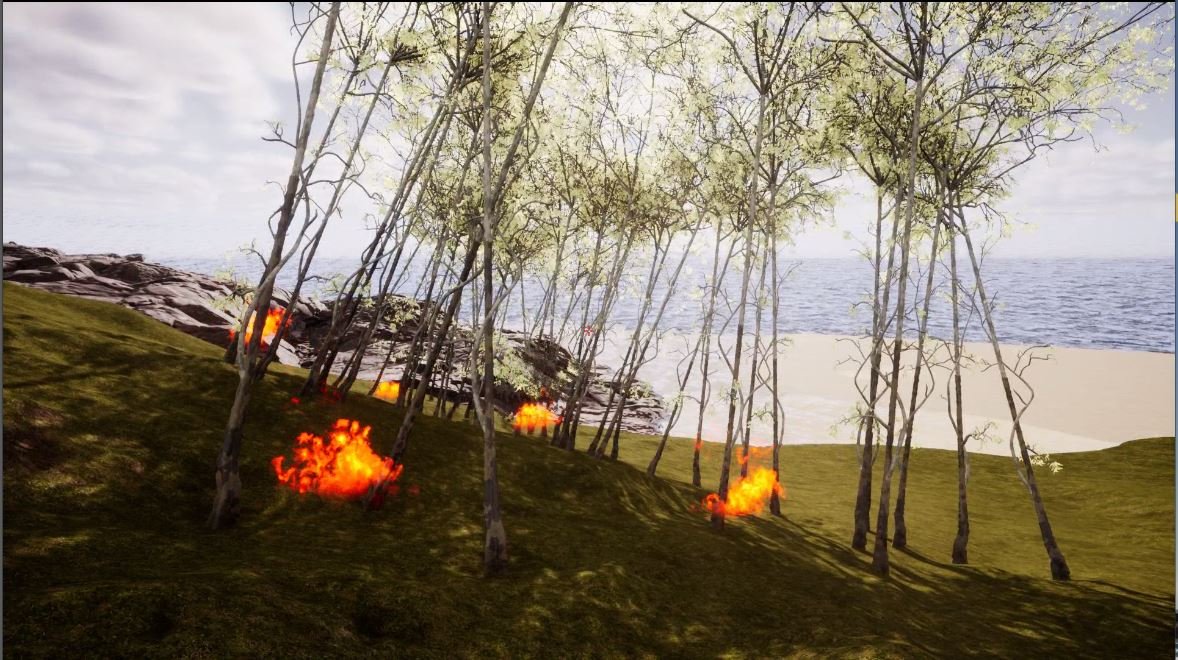
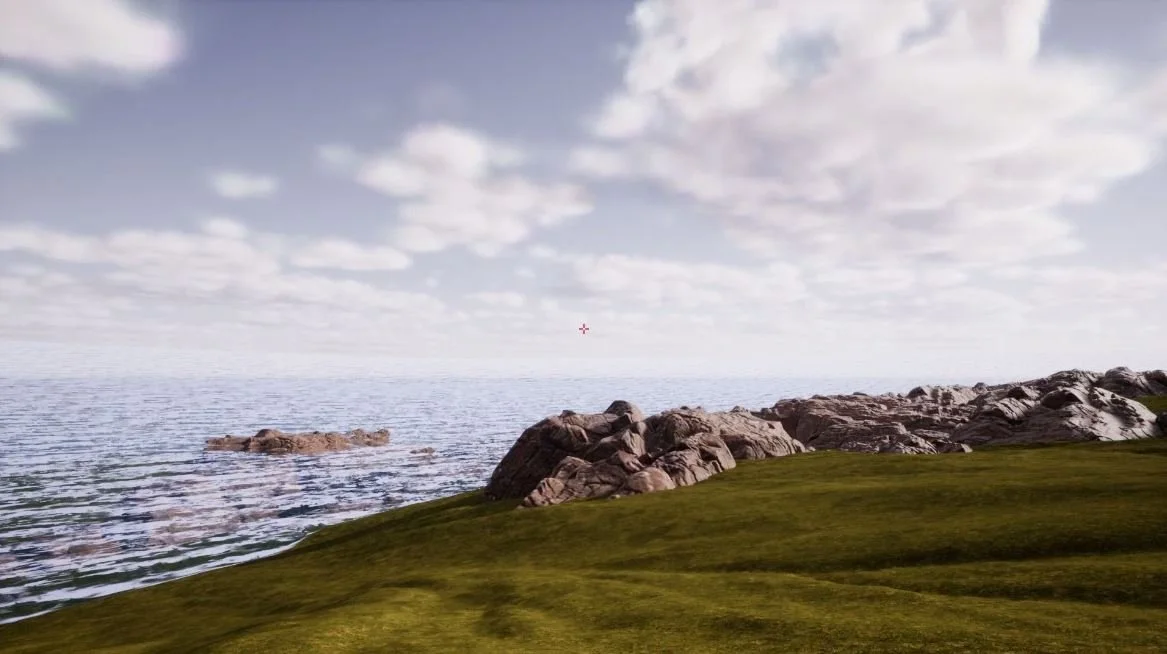
This project explores the thresholds in forestal planning and the many different situations and stories these trees can tell through an interactive interface. Social relationships are challenged by being removed outside the traditional anthropocentric view to them, in this interface the trees will not only speak human language but they will speak tree language. A language that doesn't need to be heard, but can be smelled, seen, and electrically felt. I recreated the abandoned plantation in Tambo Island in the Estuary of Pontevedra, where the military carried out several experiments after winning the Civil War and therefore closed the island to the public up until today (2023) [2026 update: the island now opens only for a limited number of guided visits a year]. By alternating the Tree's opinions on the situation I will be able to criticise the management of the forest and show why it has harmed the community, fauna, and flora. The script and instructions can be found below.
Proximities are challenged in different ways, the distance between the interface user and the landscape itself evokes the concept of action-consequence and how we don't realise our impact on the environment until it's done. The interface character and its distance to the trees within the landscape are a different type of proximity, as the character moves through and gets closer to the trees, it will acquire different information/reactions from the elements and again present the illusion of control.
Historic Context
Eucalyptus trees were first brought to Galicia by Rosendo Salvado, a Benedictine missionary, from Australia. The purpose of incorporating the species was to dry up wetlands to avoid plagues and bacteria. The region is among the wettest in the Iberian Peninsula, although it has hosted around 40% of Spain's "wild"-fires in the last 20 years. Galicia produces 4 million tonnes of Eucalyptus wood yearly, it is estimated that half of this is for the exclusive supply of Ence, a paper paste factory.
500.000 hectares out of 2.9 million hectares of the total surface of the region are covered by Eucalyptus.
Before the Civil War, Spain was a Republic and Galicia had just voted for its Statute of Autonomy, which never came into force. During the dictatorship, Galician culture was extremely censored and oppressed, and Galicianist politicians and intellectuals were executed, imprisoned or forced into exile.
One of the strategies of the regime for censorship and control over Galician land was the implementation of a cellulose factory in the Estuary of Pontevedra. The main supply for the factory is wood. Fast and cheap. Eucalyptus trees, previously used for public health purposes and traditional medicine remedies, are now turned into a weapon to erase the native forest, its symbols, and the ancient local knowledge, traditions and identity deeply tied to it; once a plantation takes its place, there is no forest left.
Some characteristics presented by the monocrops are that very few species co-exist with them, they have roots as deep as 60 metres underground which have enough strength to break rock and concrete, and their leaves are rich in oils and phenolic compounds that make them toxic to most animal species; few animals outside Australia can eat them. They can grow to 40–60 metres and their flexible trunks bend easily in the wind. They are also pyrophytic: their oil-rich leaves, shedding bark and dry litter spread fire very fast, and they have become dangerous to be around.